When George Berry reflects on his time at Wolves, he’s reminded of his first footballing home, but also of difficult times as a youngster.
The club that gave him his chance, the club where he grew from an apprentice to an icon, the club where he was the first Black player to lift a trophy for – almost five decades years later, Wolves still holds a special place in his heart.
Although growing up at Molineux in the mid-1970s, not everything was perfect.
As Wolves celebrates Black History Month, wolves.co.uk had the chance to catch up with the renowned centre-back during filming for a unique short film which celebrates the contribution of Black players during the last 150 years.
Sat in ‘The Junction’ in Wolverhampton, Berry opens up about his Old Gold story. One of resilience and determination, but with a lot of gratitude. A story of a young boy who never quite fitted in, who faced challenges many of his teammates never had to face, and who helped make life better for the generations that followed.
But Berry’s journey began far from Molineux.
Born in Germany to a Jamaican father serving in the armed forces and a Welsh mother, he spent much of his early childhood in Wales. For Berry, those first years felt ‘normal’.
“When my dad finished in the forces, we moved back to Wales, and I lived there until I was about 10, and to be honest, I didn't feel any different from any of the other kids when I was growing up there.
“Then we moved to Blackpool, and that’s when things started to change.
“People looked at you differently. You’d hear comments and there were things said, especially when I got to senior school.
“At junior school I was the only Black child, and when I moved up to senior school, I was still the only Black kid in my year group. You became very aware that you were different.”
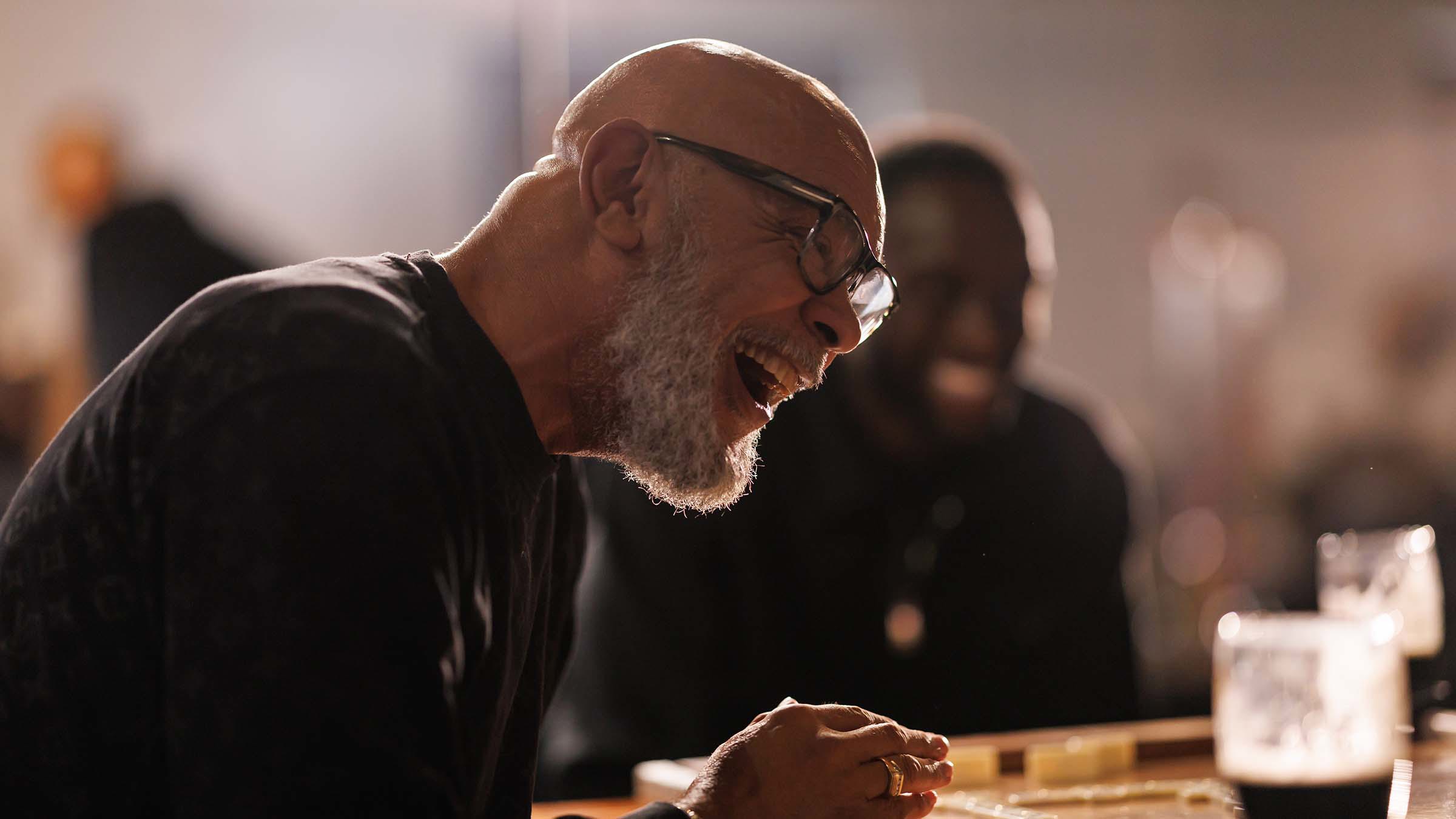
Yet Berry was prepared for this moment. His father knew what was coming long before he did, and was provided advice that would prove invaluable.
“My father always prepared us for that. He used to tell us that as we got older, we’d begin to see things differently and experience things differently.
“You knew you looked different, but I never really let it affect me. However, I was good at sport and that helped.”
Sport became his refuge. Not just because it gave him a chance to escape from life’s realities, but because it gave him confidence and a sense of belonging.
Football helped and so did boxing. The combination gave him an edge and Berry quickly developed the assurance to navigate situations that might otherwise have overwhelmed a young boy.
“I ended up becoming quite popular at school and because of my boxing, I could look after myself if I needed to. That gave me confidence.
“But everything revolved around football. Football was all I wanted to do from a very young age and I’d always believed I could make it as a professional.
“It wasn’t really something I thought about, it was just what I did. If I was outside the house, it was football all day long.
“Inside the house it was a bit different because my dad, being Jamaican, cricket was his game. He wasn’t really a football fan. But whenever I could get outside, all I wanted to do was play football.”
Like many football careers, Berry’s began with someone spotting potential. In his case, that somebody was former Wolves striker Alun Evans.
Berry was playing under-10s football in the north west when Evans just happened to be on the sidelines.
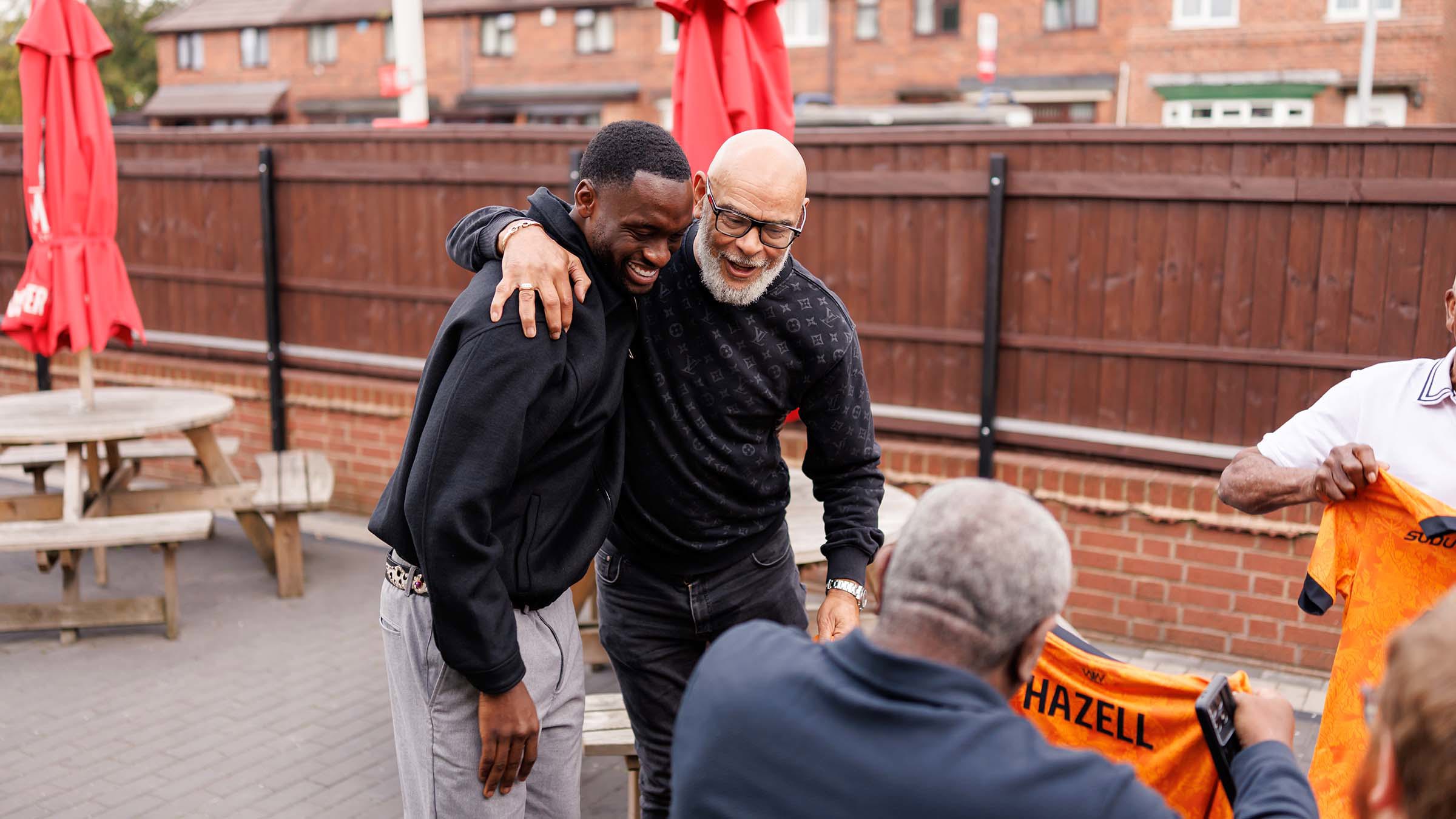
“It’s a funny story really because one of the managers was related to Alun Evans, the old Wolves player who was at Liverpool at the time, and he came to watch one weekend.
“Apparently, he pointed me out, saying: ‘That Black kid over there isn’t bad’. To be honest, because he was at Liverpool, I thought I was going to there, but I was sent to Wolves instead!
“That eventually led me to getting a trial with Wolves and it all went from there.”
Berry arrived at Wolves as a teenager and could not wait to turn his dream of being a footballer into a reality, signing for the Old Gold the day after completing his O levels.
By the time he came to Molineux in 1973, Don Gardner – who would go on to become Wolves’ first Black senior player – was already at the club, while Berry was soon joined in the youth team by Bob Hazell.
Football dressing rooms in the 1970s were predominantly still all-white spaces, but that was soon about to change. However, for the likes of Berry, Gardner and Hazell, it doesn’t make what they had to go through any easier.
“Don [Gardner] was already at the club when I arrived as an apprentice and there were occasions when things would be said that I wasn’t comfortable with.
“I remember when I first trained in the first-team environment that there were one or two things said. There was some ‘banter’ and some language that I didn’t particularly like.
“But the worst stuff never came from your teammates, that was from the supporters or your opponents. But there are really only two choices you can make when you receive it – you either let it crush you, or you use it as motivation.
“I chose to use it as motivation.
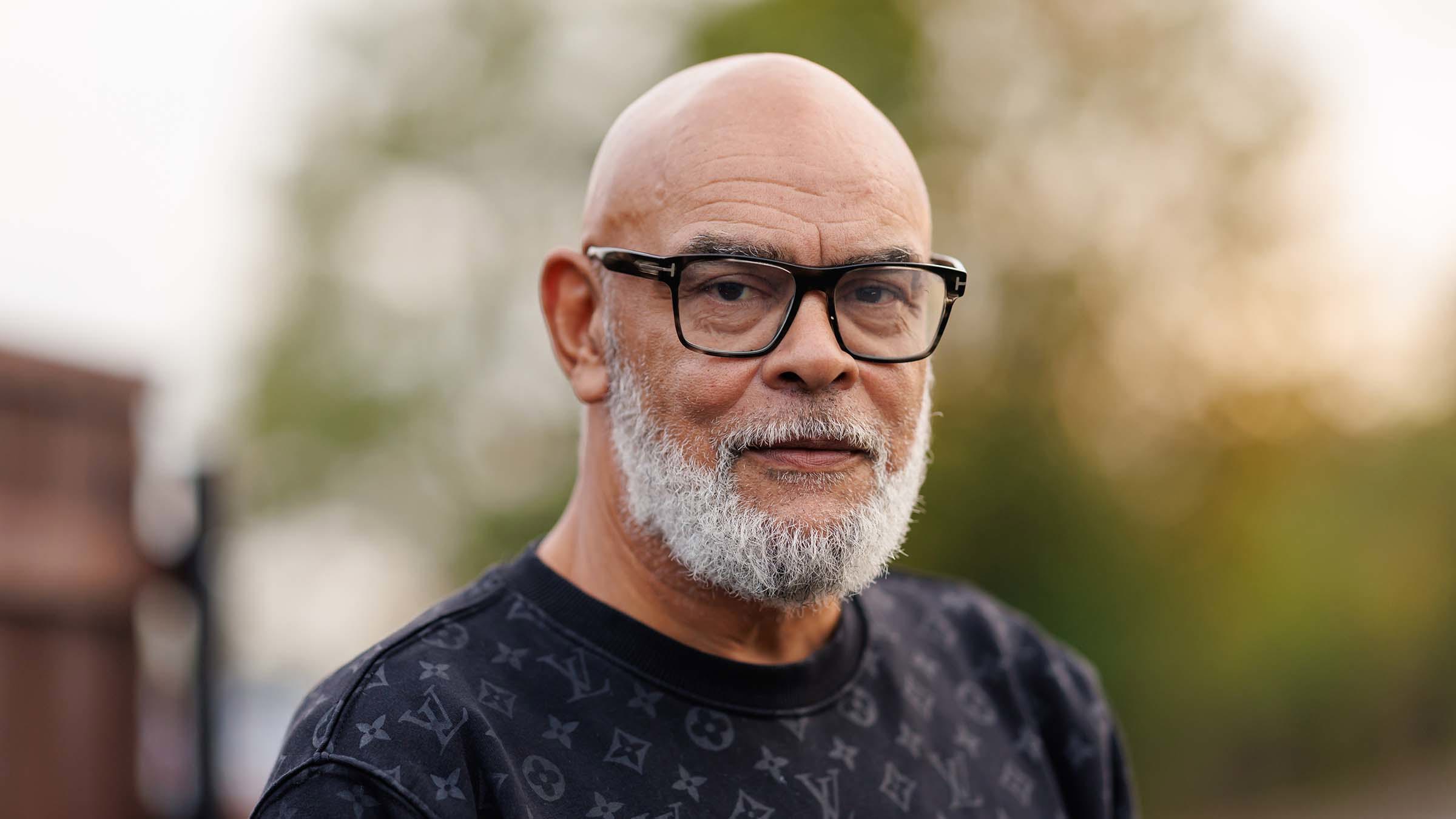
“As a player, if an opponent tried to upset me, I actually liked it because there was something I could do about it. You could respond with your performance.
“But if it was from the supporters, it was more difficult because there wasn’t much you could do. If you’re the only Black face on the pitch and thousands of people are shouting abuse, that’s hard.
“Looking back now, and knowing the players like I do, I think a lot of it came from ignorance rather than malice because they weren’t bad people in that dressing room. It was more of a case that they didn’t always understand how certain things sounded or how they affected somebody.
“Football was really reflecting wider society. The game wasn’t separate from the world around it and if society has problems with racism, football is always going to reflect some of that as well.
“But even as an apprentice, I remember deciding then that if I was to ever make it into the first-team, I wanted to make things better for any Black apprentices who came through after me.”
Wanting things to be different and ensuring the next generation at Wolves would have an easier ride of it than he did all became part of his legacy.
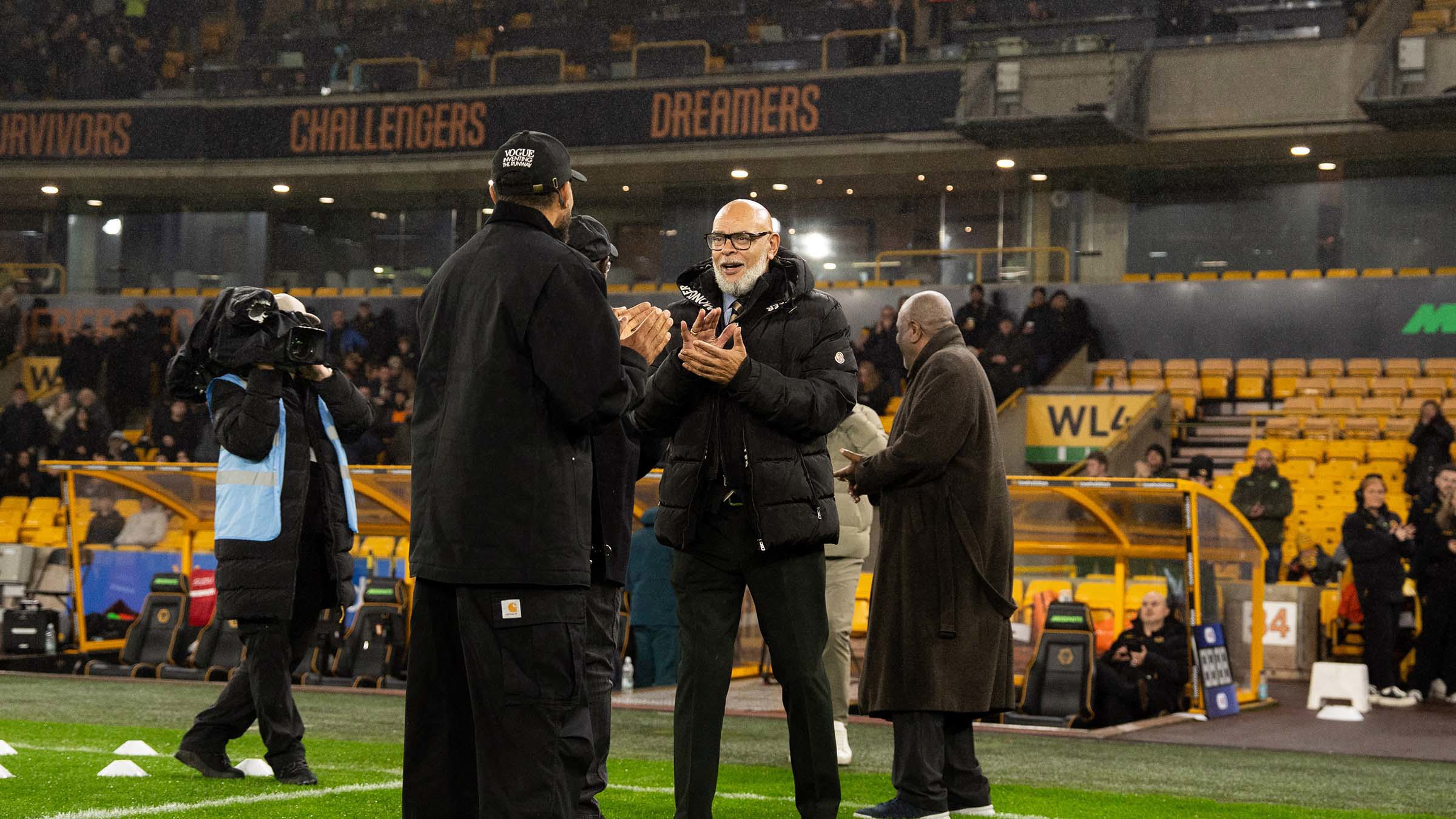
Long after his playing days ended, Berry remained passionate about helping young players, particularly those whose backgrounds and experiences were sometimes misunderstood.
“I’ve done mentoring work with younger players and one thing I’ve learned is that some people just don’t understand cultural differences.
“I remember speaking to one coach about a young player they felt had a poor attitude because he wouldn’t look them in the eye when they were talking to him.
“They said, ‘He wouldn’t look me in the face. He just looked at the floor. So disrespectful.’
“But I said, ‘No. As a Black lad, when you’re growing up, if your father or mother is giving you a telling off, you’re taught to put your head down as a sign of respect.
“If he looked directly into his dad’s face while he was telling him off, that was showing disrespect.
“The coach said to me, ‘I didn't realise that’. They’d completely misunderstood it, so it shows that sometimes it’s just about understanding where somebody comes from.”
For all the challenges, the overwhelming emotion when Berry talks about Wolves is gratitude.
During his time at Molineux he reached the FA Youth Cup final, he became a first-team regular, he was voted Players’ Player of the Year in 1979 and starred as Wolves secured the League Cup the following season – still the last major domestic title the Old Gold have won.
But success is not what he remembers most about being part of the pack. It’s the home he found having come through the difficult moments of his young life.
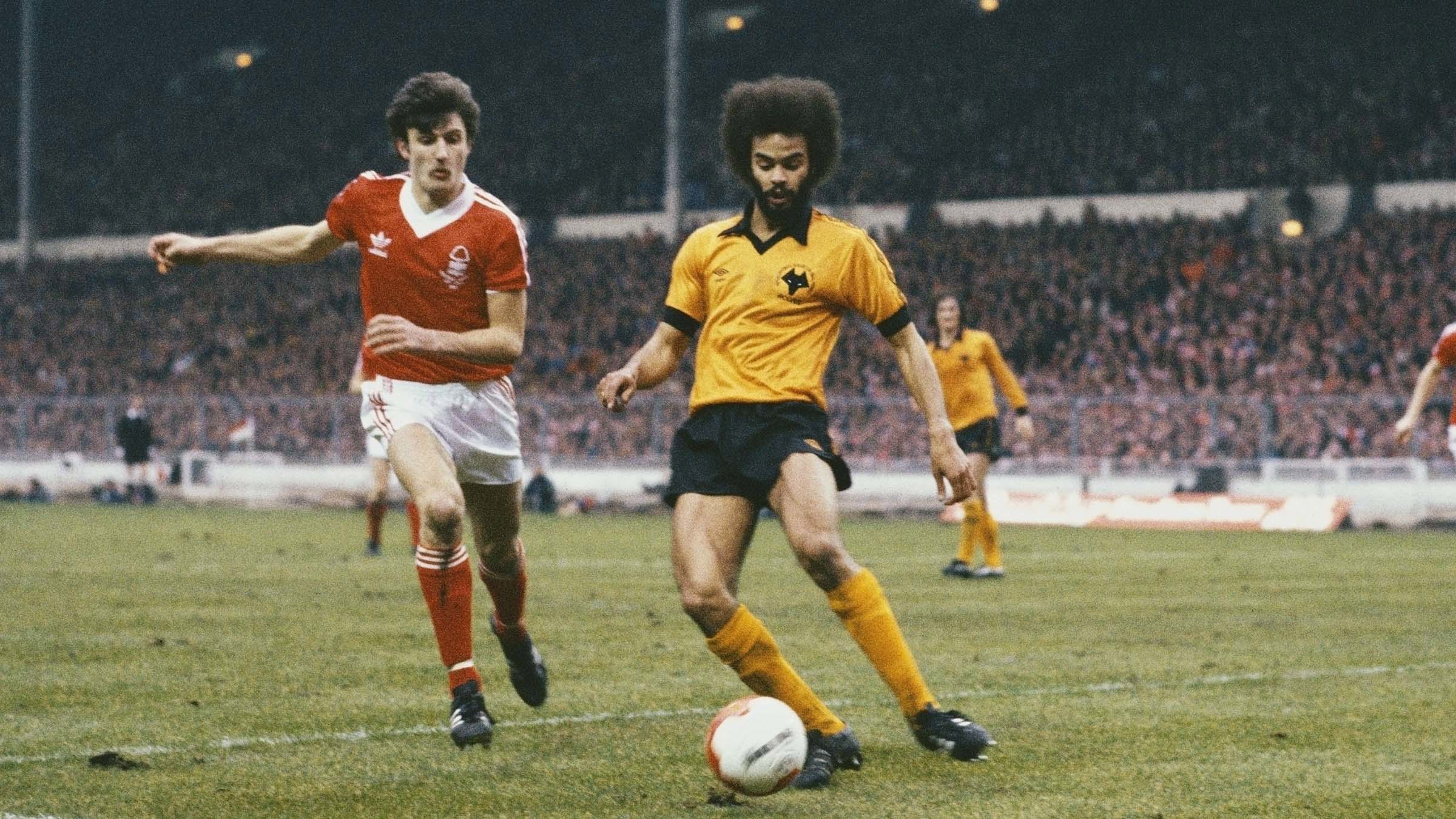
“I’m very proud of what I achieved at Wolves and I’m glad the club are celebrating all of those who have contributed to the history of Wolves.
“Not only the Black players, but all players who have had an influence on the club deserve recognition. As Black players, we played our part, and it’s nice to see that being remembered.
“Because Wolves will always have a special place in my heart because they gave me my chance. They brought me in, developed me and looked after me.
“I made my debut against Chelsea and at that point I honestly thought I’d never leave. I thought Wolves would be my club forever.
“Obviously things changed and I eventually moved on, but Wolves will always mean a lot to me. Even now, when I come back to Wolverhampton, the older supporters still stop me and tell me they watched me play. The younger generation might not know who I am, but the people who were there remember.
“Wolves have always had a special place in my heart and always will.”


