Arsenal’s Max Dowman hit the headlines last weekend when became the youngest scorer in Premier League history at the age of only 16.
But Dowman’s goal against Everton was by no means the first occasion a 16-year-old had scored in England’s top flight and a Wolves player did just that 87 years ago, as Steve Gordos, author and former sports editor of the Express & Star, explains.
***
At the age of 16 years and 265 days, Alan Steen made his debut for Wolves and scored in a 3-0 win over Manchester United at Molineux.
In the days when teams fielded two wide players – wingers they were called – Wolves paraded two players aged 16 in those positions against United. Steen was on the right and former England schoolboy international Jimmy Mullen was on the left.
It was the first time a team had fielded two 16-year-old wingers together and Steen’s parents travelled down from Liverpool to witness his big day.
His father said before the game: “He does not know we are here. We had a letter from him this morning, and he said there might be a surprise for us. This will be a surprise for him.”
Steen, a useful sprinter, was on the books of New Brighton at one stage but the club could not find him a job and so advised him to try Wolves. His dad brought him to Molineux in March 1937, when Alan was not yet 14.
Not only did Crewe-born Steen score Wolves’ third goal against United but it was made by his fellow 16-year-old.
With a nine minutes remaining, Mullen swung over a centre from the left, United’s Irish international goalkeeper Tommy Breen raced from his goal but missed the ball completely and Steen was left with a tap-in.
Dickie Dorsett, another teenager, had broken the deadlock on 72 minutes and two minutes later right-half Tom Galley made it two from the penalty spot.
Due to play their infamous FA Cup semi-final against Grimsby Town a week later, Wolves had rested several players with minor injuries for the visit of United and the makeshift side struggled before hitting those three late goals.
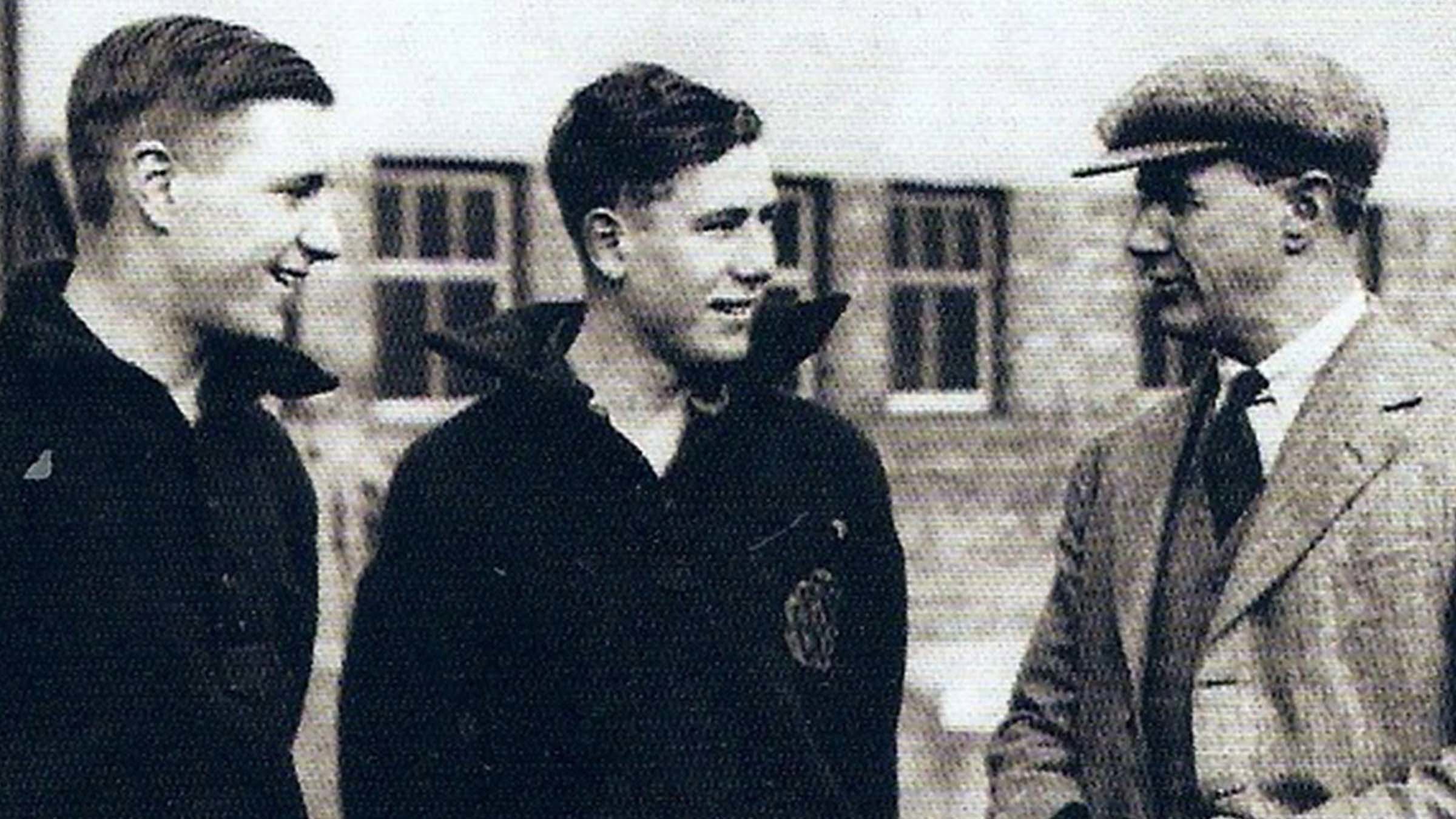
Steen (centre) with Mullen (left) and trainer Jack Davies
Wolves had two other players making their debut that day – 19-year-old half-back Ray Goddard and Glasgow-born Gerry McAloon, a veritable veteran at 22, who played inside-right. McAloon had been signed from Brentford earlier that month.
The teams at Molineux on Saturday 18th March 1939 were as follows:
Wolves: Scott, Morris, Taylor, Galley, Cullis, Goddard, A Steen, McAloon, Westcott, Dorsett, J Mullen.
Manchester United: Breen, Redwood, Griffiths, Warner, Vose, Manley, Bryant, Wassall, Hanlon, Pearson, Rowley.
Steen and Mullen were listed in the line-up with their initials as that was the way of indicating an amateur player.
Mullen also played a week later when Wolves beat Grimsby Town 5-0 in the FA Cup semi-final, in what remains an Old Trafford record crowd of 76,962. Hot favourites Wolves would eventually lose the final 4-1 to Portsmouth, and they were also runners-up in the First Division, to Everton.
Wolves’ legendary manager Frank Buckley was backing young players a decade-and-a-half before Matt Busby did so for Manchester United in the 1950s – not that Buckley always realised the potential of youngsters.
On the left wing for United that afternoon in March 1939 was Wolverhampton-born Jack Rowley, who had been on Wolves’ books but had been released by Buckley.
At United, Rowley would go on to win FA Cup and First Division championship medals and was capped by England, while being one of only four players to score more than 200 goals for the Red Devils, alongside Bobby Charlton, Denis Law and Wayne Rooney.
Rowley’s brother Arthur also had trials with Wolves as a teen but was released and went on to set the record league goals total for English football – 434 – during his time with West Bromwich Albion, Fulham, Leicester City and Shrewsbury Town.
Mullen carved out a fine career with Wolves, winning an FA Cup medal (when Leicester were beaten 3-1 at Wembley) while helping Wolves win the First Division title in 1953/54 and winning 12 England caps.
He was also England’s first substitute in a full international when he scored in a 4-1 win over Belgium in Brussels in 1950, having replaced the injured Jackie Milburn early in the game.
Alas for Steen, the United game proved to be his only Wolves appearance.
A wireless operator with Bomber Command during the Second World War, his plane was shot down over Germany and he spent the last two years of the conflict in a prisoner-of-war camp.
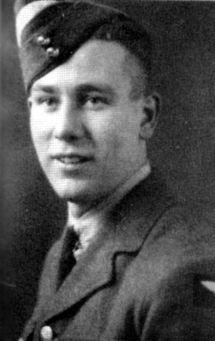
He later played for Luton Town, Aldershot, Rochdale and Carlisle.