‘A home like no other: The story of Molineux’ by club historian, Pete Crump
Home to generations of Wolves supporters, Molineux has witnessed the club’s greatest triumphs and most dramatic nights.
Its distinctive character makes it one of the most unique stadiums in the history of the game, and as we celebrate our 150th anniversary, let’s take a look back over what makes Molineux so special.
This is part 4 of the series on Molineux. To read part 1, focusing on how the stadium first became Wolves’ home, please click here, for part 2, reflecting on the Molineux Street Stand rebuild, click here, and for part 3, which covers Sir Jack Hayward’s modern developments, click here.
Renaming the John Ireland Stand
Heading into the 21st century, one of the first things which occurred at Molineux in the new millennium was the renaming of the John Ireland Stand.
Four years after the former Molineux Street stand was built in 1979, it was named in honour of the club’s former chairman and president, but in 2003, it was renamed the Steve Bull Stand – in recognition of the club’s greatest ever goalscorer.
The official preparations took place on 22nd August, with the stand formally unveiled the following day when Wolves played Charlton Athletic in the opening home match of the 2003/04 Premier League season.
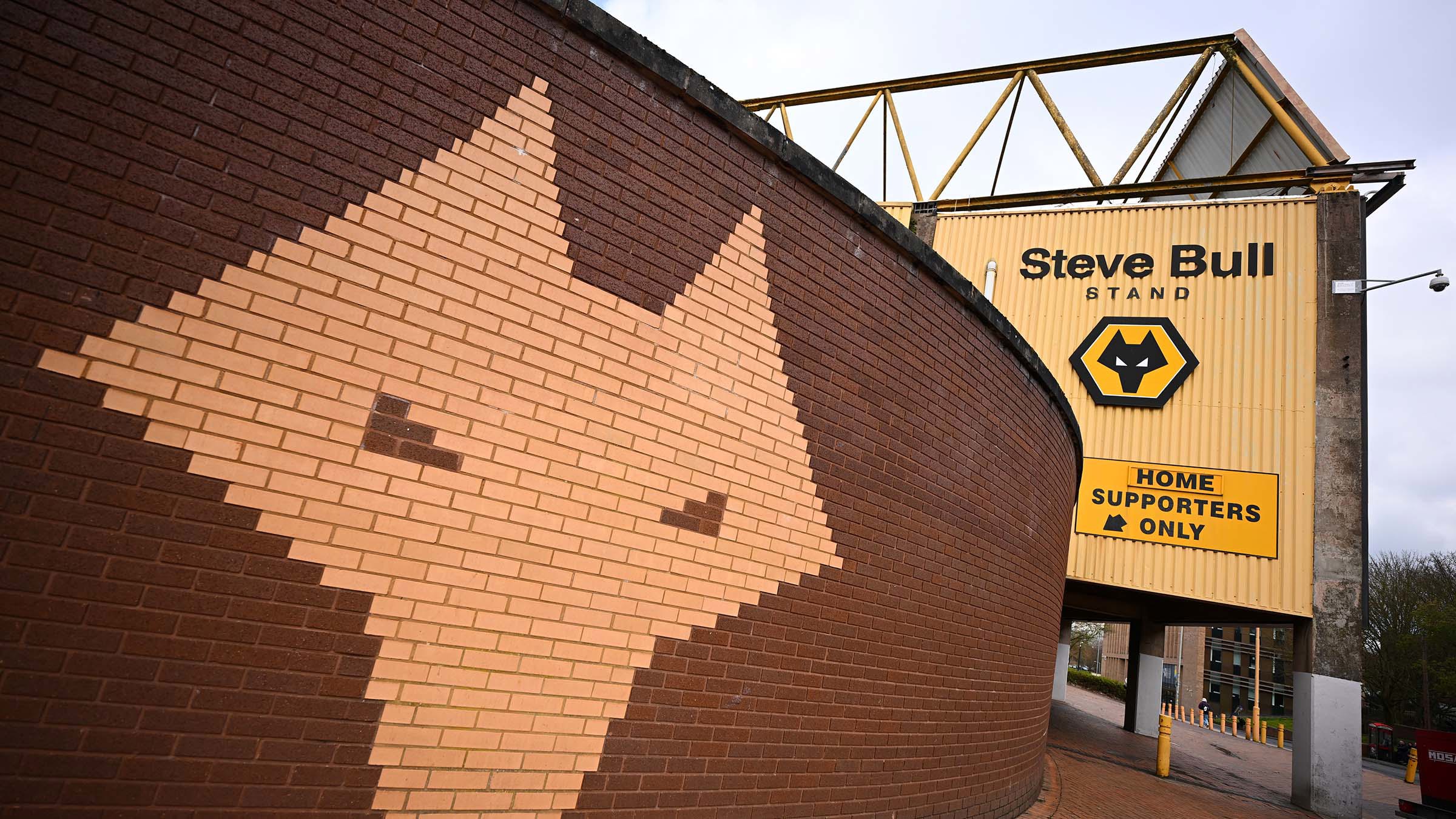
This moment was significant as being Wolves’ opening home match of their ever first Premier League campaign and Molineux’s first top-flight fixture since 7th May 1984.
Bully was joined on the pitch by Sir Jack Hayward – the man who had made the decision to rename the stand – with fireworks being set off to celebrate the moment.
The Graham Hughes Stand
Another major change took place elsewhere in the stadium that year, as promotion to the Premier League in 2003 led Wolves to install a temporary stand in the corner between the South Bank and the Billy Wright Stand.
The new stand added just over 800 seats and replaced a small garden that had contained flowers and bushes arranged in the shape of the famous wolf head.
Initially known as the south-west corner, the stand was first used for the Chelsea match on 20th September 2003. The attendance of 29,203 was a new record for Molineux as an all-seater stadium and the highest since Aston Villa’s visit in February 1981.
In December 2003, Sir Jack renamed the south-west corner to the Graham Hughes Stand after the hugely popular Wolves figure and former club historian.
Born in Codsall in 1933, Hughes had started working at the club during the early 1980s as a handyman at the old social club. He became a full-time employee in 1989 and remained closely involved with Wolves after retiring in 2012, continuing to volunteer almost every day until his death in February 2021.
His first Wolves match – according to his own recollection – had been a wartime fixture against West Bromwich Albion in the 1942 War Cup semi-final.
During the decades working for Wolves, Hughes – affectionately known to colleagues as ‘Fizzer’ – developed close friendships with Sir Jack, Bully, Graham Taylor and many other players, managers and figures around the club.
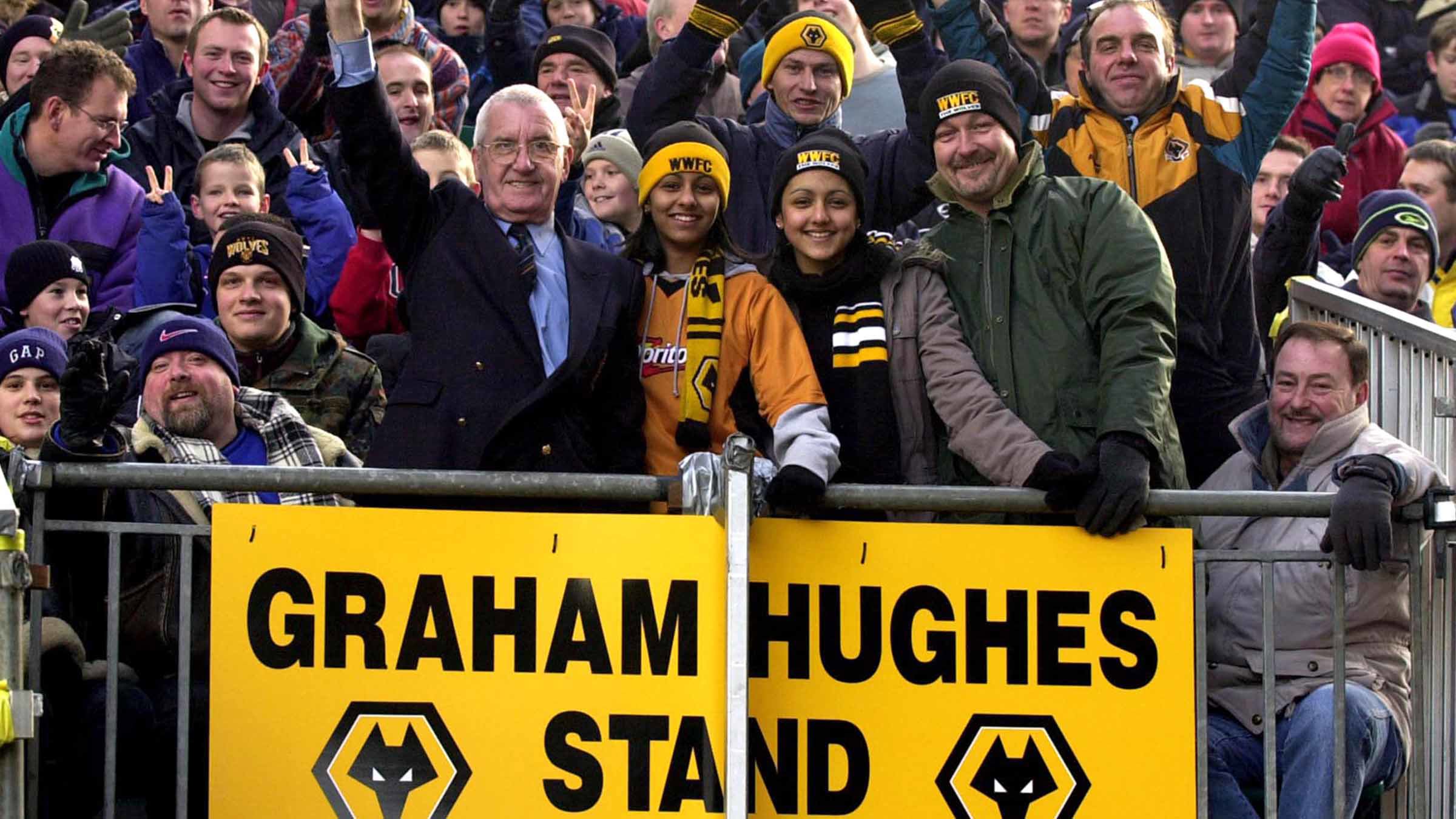
Taylor once said all his memories of Hughes were good ones and summed up the affection for him by saying that “every football club needs a Graham Hughes”.
The original Graham Hughes Stand was a hired, demountable structure. It remained in place for the 2003/04 season before being removed following relegation. It was normally used by home supporters, although Kidderminster Harriers fans were accommodated there for an FA Cup replay in January 2004 as well as in the Steve Bull lower tier.
The area remained empty for several years, but when Wolves returned to the Premier League in 2009/10, so did the Graham Hughes Stand.
This time the club had purchased the structure – complete with its green seats – rather than hiring it, and it was regularly used during the Premier League seasons until 2012.
From 2012/13 to 2017/18, the stand remained in place but was unused for much of the period and was often covered by advertising hoardings, however, it would eventually return in another form.
Steve Morgan’s vision
The next major transformation of Molineux began in 2011, four years after the club’s takeover by Liverpudlian businessman and house-building magnate Steve Morgan.
In April, the Stan Cullis statue was removed to make way for the demolition and reconstruction of the stand.
The 2.75 metre bronze statue had been in front of the stand which bears his name since April 2003, as the ultimate honour of the legendary former player and manager, who led the club through its most successful era from 1948 to 1964.
The final match for the original Stan Cullis Stand came on 22nd May 2011, when Wolves lost 3-2 to Blackburn Rovers but survived in the Premier League by a single point.
The following day, the bulldozers moved in.
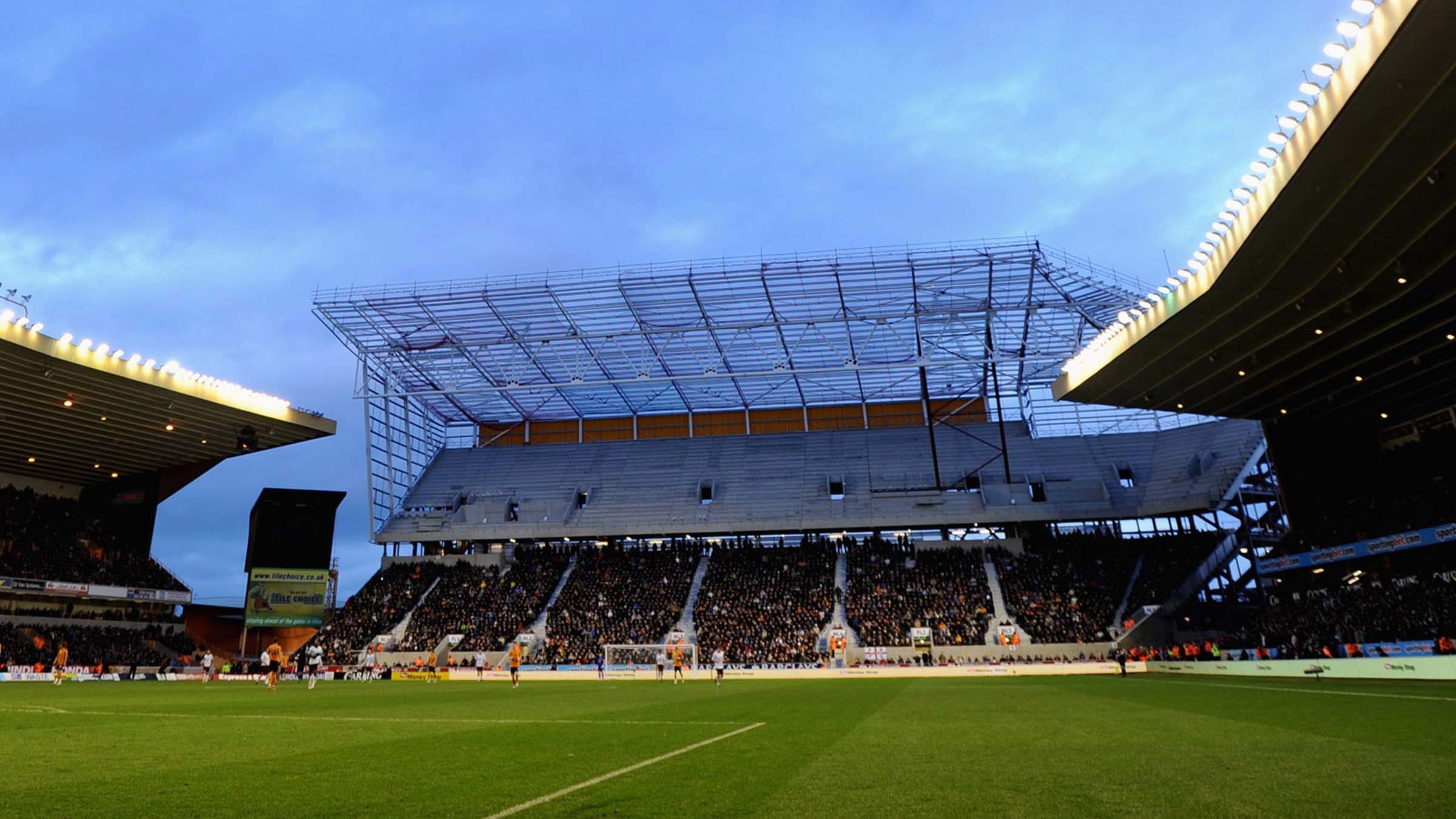
During 2011 and 2012, a new two-tier Stan Cullis Stand was constructed at a cost of approximately £16 million by Buckingham Group.
Part of the lower tier was brought into use during the 2011/12 season using temporary seats, with around 4,000 installed in time for the Tottenham Hotspur fixture on 10th September 2011, while the construction also required the removal of 238 seats from the lower tier of the Steve Bull Stand to create access.
The completed stand opened on 11th August 2012 for Wolves’ League Cup first-round match against Aldershot Town, with its opening taking Molineux’s capacity above 30,000 for the first ever time as an all-seater stadium.
Three months later saw the opening of Wolves Museum following an extensive period of planning and preparation. A number of people played important roles in establishing the museum, including Morgan, Jez Moxey, John Gough, Matt Grayson, Sophie Cawthorne, Neil Pennington, Dave Jones, Graham Hughes and Pat Quirke.
The club shop and ticket office also moved in 2012. The building between the Billy Wright and Stan Cullis Stands had previously housed the shop from 1996, but with that moving into a larger store in the new stand, the former shop became the ticket office, where it remains today.
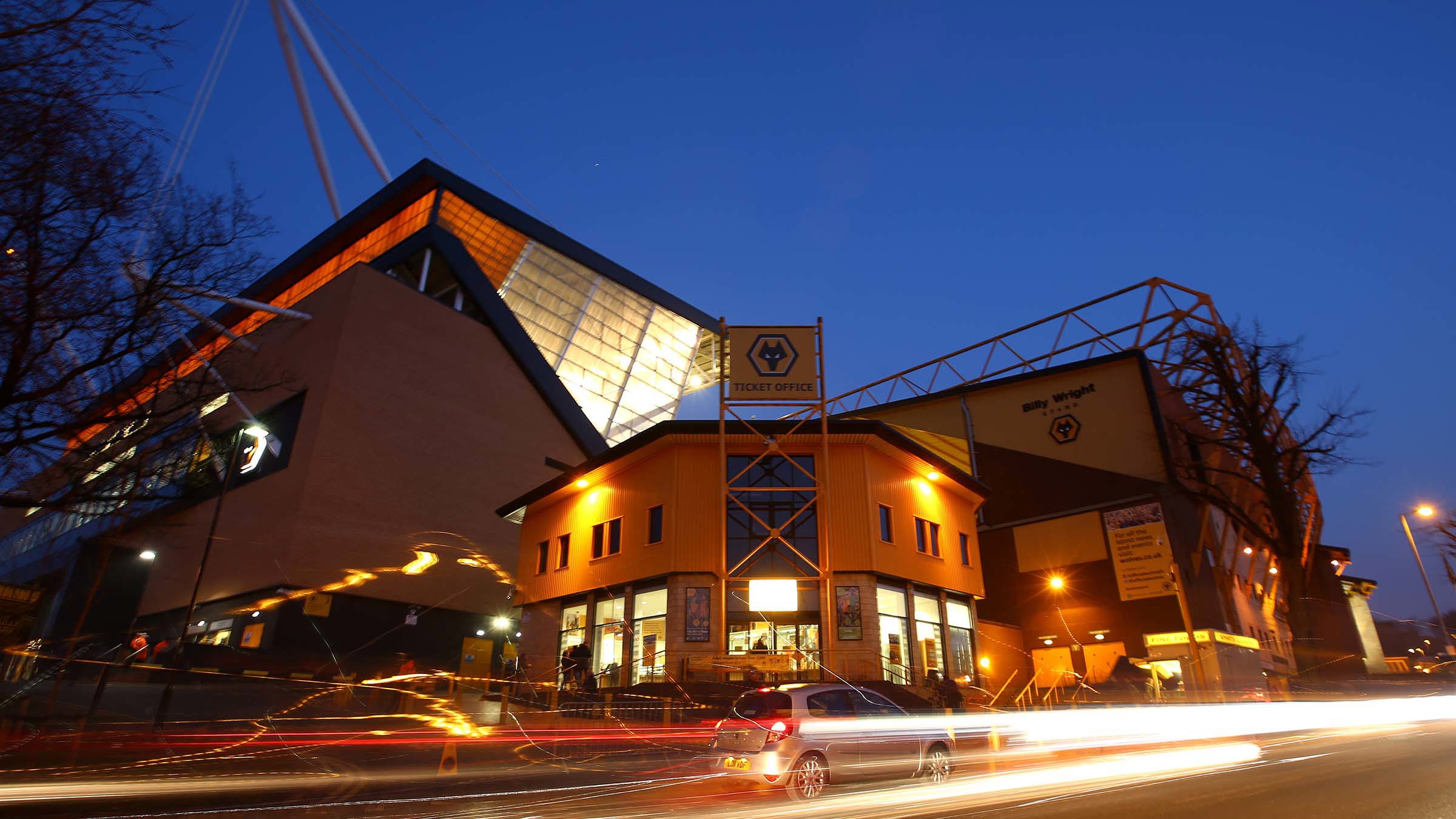
The redevelopment of the Stan Cullis Stand was part of Morgan’s much larger plans.
In May 2010, plans were announced for a £40 million redevelopment of Molineux, with the initial objective to increase capacity from around 28,500 to 36,000 between 2010 and 2014, with a later phase potentially taking the stadium to 50,000 seats.
The first stage was the reconstruction of the Stan Cullis Stand, which was completed, however, the second stage was intended to involve demolishing the Steve Bull Stand and replacing it with a new structure containing 42 executive boxes and a 600-capacity banqueting hall.
The third stage would have added another tier to the South Bank and filled the corner between the South Bank and the new Steve Bull Stand.
The final stage would have involved rebuilding the Billy Wright Stand and, if required, filling all the corners and taking capacity towards 50,000.
Another of Morgan’s ambitions was to bring supporters closer to the pitch, with each stand no more than six metres from the playing surface.
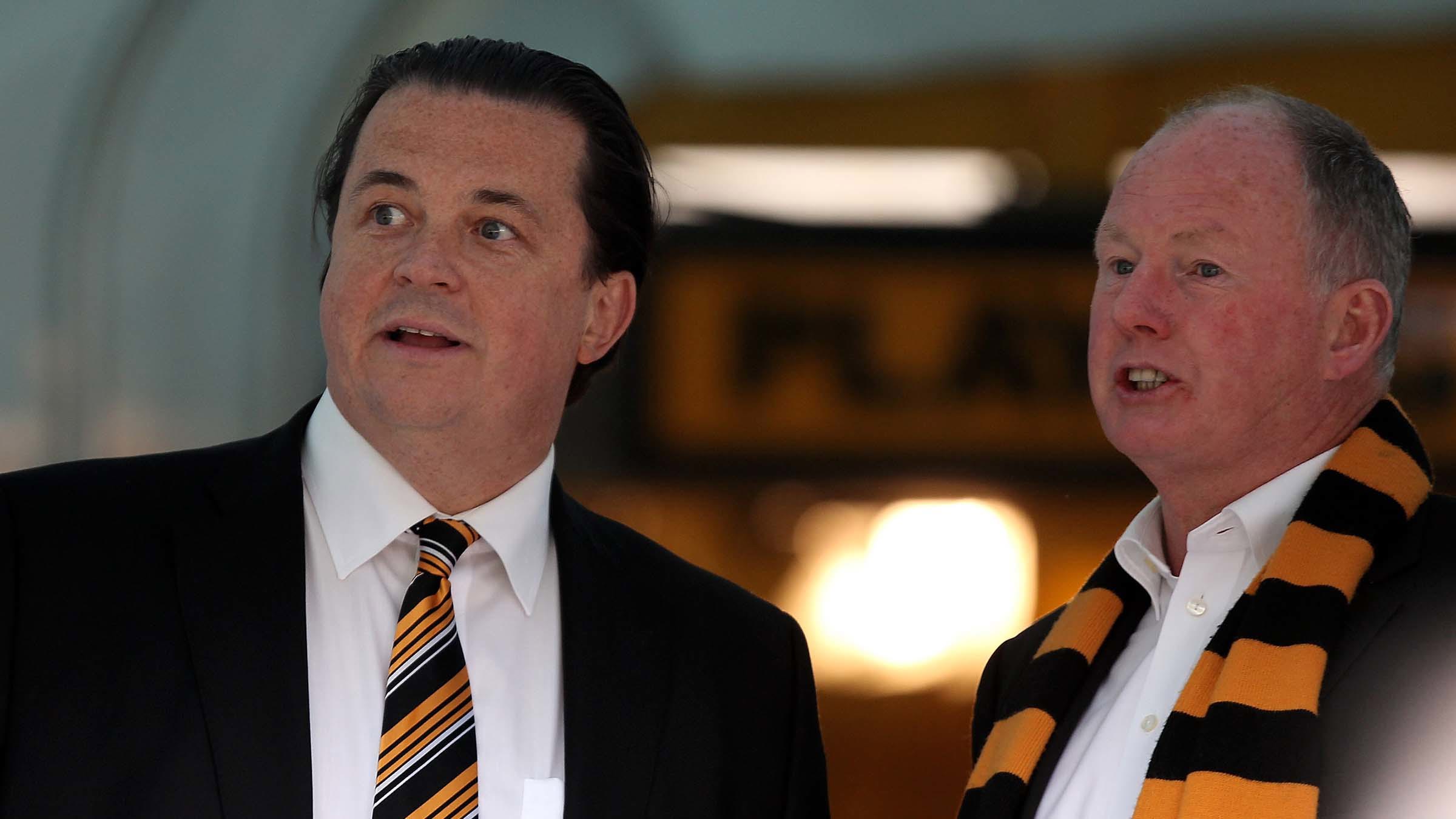
Wolves also purchased land around the stadium, including the site of the former Wanderer pub and the area behind the South Bank where Peel House had stood.
These plans, however, were dependent on Premier League survival, but relegation at the end of the 2011/12 season meant only the first phase was completed, and the remaining stages never took place.
The Sir Jack Hayward Stand
Another stand renaming took place in May 2015, with the South Bank changing its name from the Jack Harris Stand to the Sir Jack Hayward Stand, following the death of the iconic former club president.
The new name was in place for the opening home match of the 2015/16 season against Hull City on 16th August, with Sir Jack’s son Jonathan Hayward present before the match and receiving a book of condolence on the pitch.
The renaming meant the South Bank had now carried two names since its redevelopment was completed in 1993.
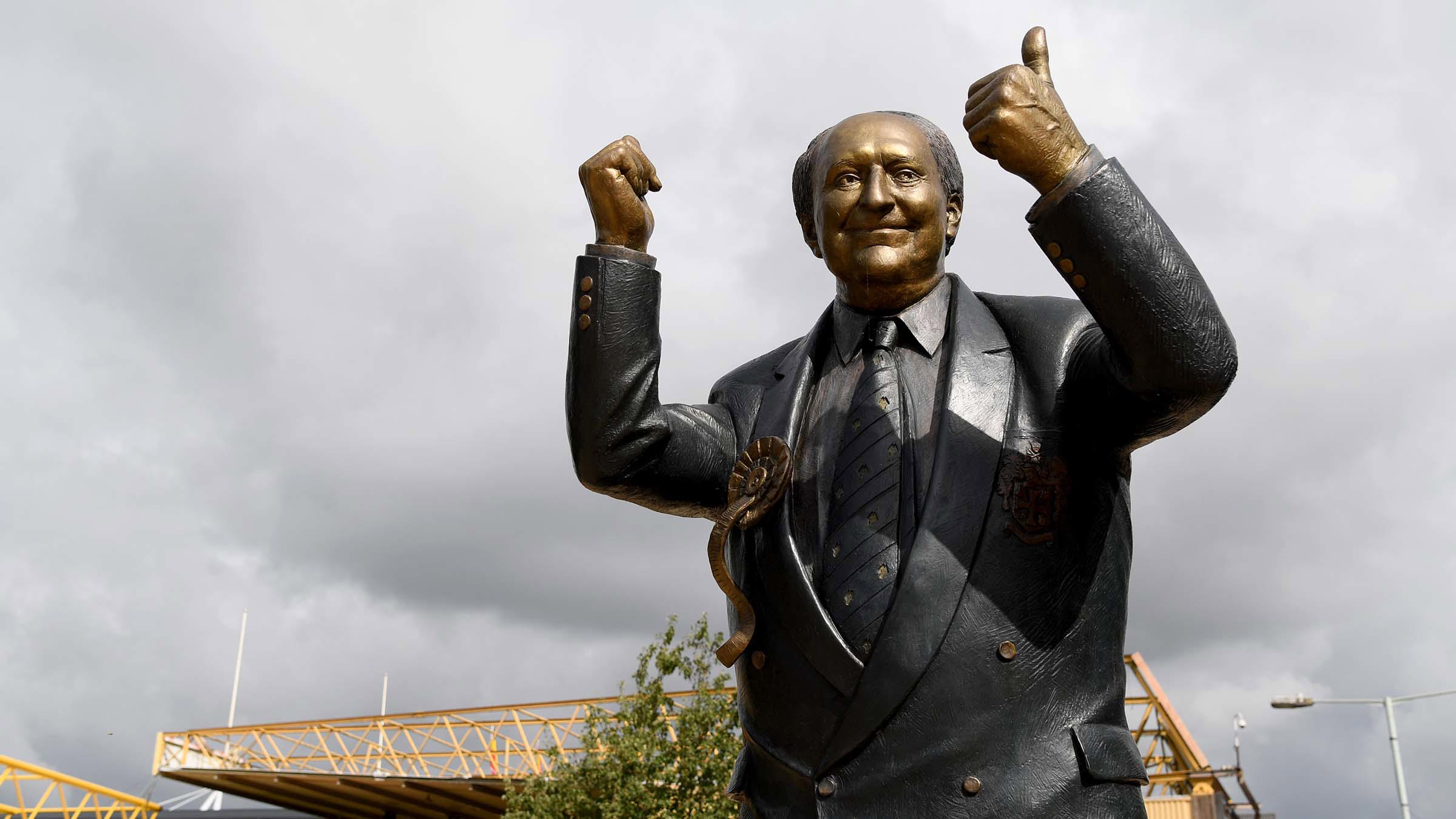
A third major statue was unveiled at Molineux in June 2018, this time in honour of Sir Jack. As with the statues of Billy Wright and Stan Cullis, James Butler was responsible for the sculpture.
 o
o
The statue stands close to Molineux Subway on the south-eastern side of the stadium, and its position means it’s among the first things many supporters see when approaching Molineux from the railway station and surrounding area.
The unveiling ceremony was attended by representatives from across the club, including managing director Laurie Dalrymple, captain Danny Batth, former captain Paul Butler and Jonathan Hayward.
Jonathan said his father would have been astonished and humbled to join Billy Wright and Stan Cullis as one of the three major figures represented by statues around the stadium.
The Graham Hughes Stand and safe standing returns
The Graham Hughes Stand returned again as Wolves were back in the Premier League during the summer of 2018. This was another temporary demountable structure, although it looked different from its predecessors as the green seats were replaced by black ones.
It was first used for the opening match of the season against Everton on 11th August 2018, and remained until 2021, when it was deemed unsafe.
Its final use came during the 2020/21 season, when only a limited number of supporters were permitted to return to Molineux because of Covid-19 restrictions – just 4,500 supporters were allowed to attend the final home match of the season against Manchester United on 23rd May 2021.
The stand was then closed and eventually demolished before returning once again with a fourth incarnation in February 2022, but this time it was no longer a temporary structure, but permanent, although the seats were the same ones used in the previous version.
It reopened on 5th February 2022 for Wolves’ FA Cup fourth round tie against Norwich City, which also marked Conor Coady’s 300th appearance for the club.
In 2019, Wolves became the first Premier League club to install barrier seating into an existing stadium – the first steps to ‘safe standing’ returning to football.
Tottenham Hotspur had already incorporated the system into its new stadium, but Wolves were the first club to adapt an existing stadium in this way, with barrier seating introduced in the Sir Jack Hayward Stand and in the quadrant area of the Stan Cullis Stand.
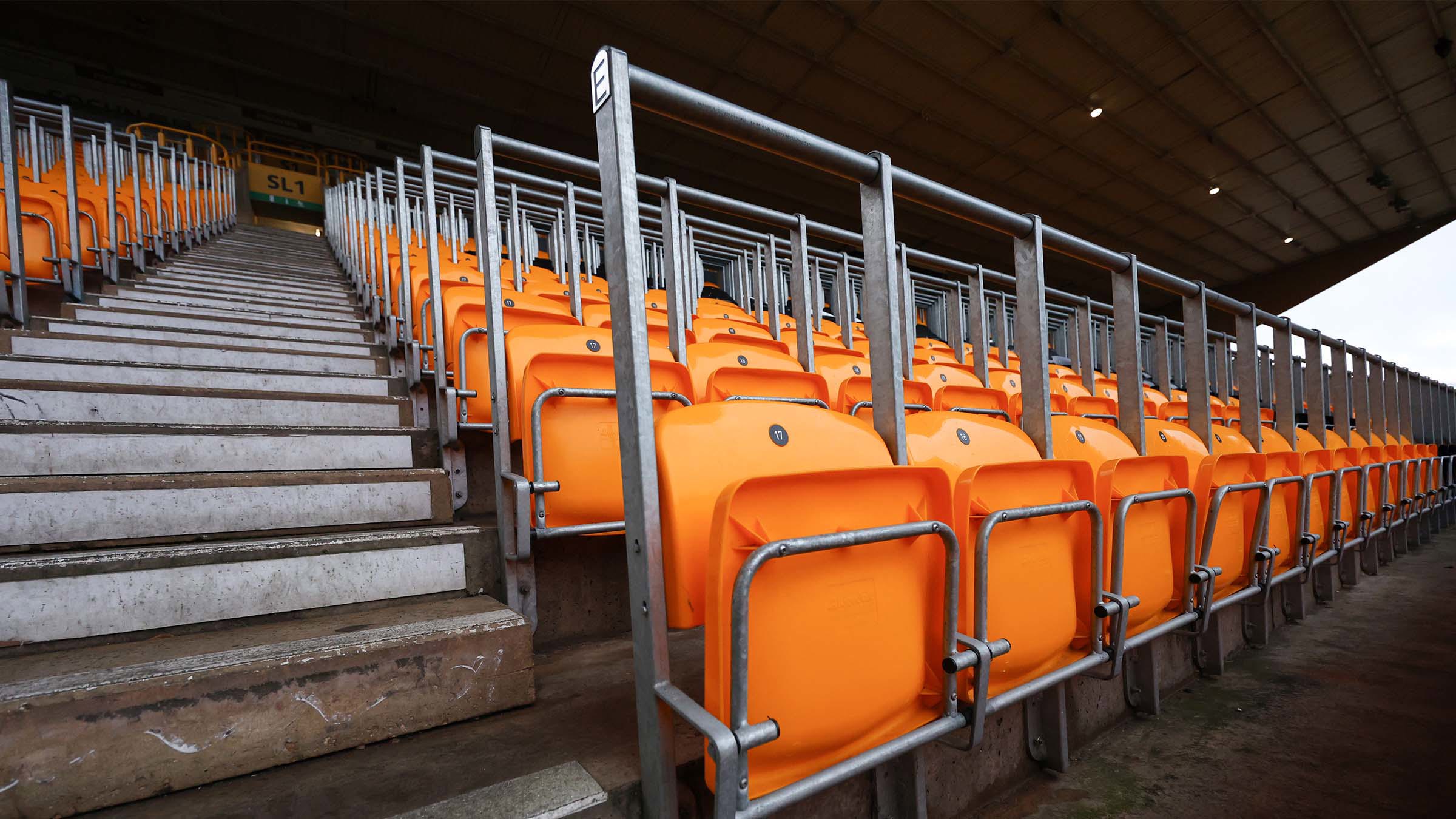
The Sports Grounds Safety Authority confirmed that the arrangements could be licensed under the government’s all-seater stadium policy, meaning four years later, standing returned to Molineux, but in a different form.
In February 2023, Wolves officially received a licence from the Sports Grounds Safety Authority to operate safe standing, with the licence in place for a match against Tottenham on 4th March 2023. It marked the return of legal standing to Molineux for the first time since May 1993, when supporters had stood on the South Bank terrace for the final time.
To obtain the licence, Wolves had to incorporate safe standing into the away section, with a total of 585 seats in the Steve Bull lower tier converted, covering the back three rows. A further 2,115 seats in the Stan Cullis quadrant became rail or safe-standing areas. Combined with the 5,553 seats in the Sir Jack Hayward Stand, Molineux now has 8,253 safe-standing positions.
There was one important condition of the license, the other areas of the stadium remained subject to a strict seated policy.
After three decades, Molineux had therefore come full circle in one respect – although standing had returned, it was in a controlled and modern form, designed around contemporary safety standards.
Remembering Honved
The latest addition to Molineux arrived in December 2024, as the club marked the 70th anniversary of one of the most famous matches in the stadium’s history – Wolves’ floodlit friendly against Honved.
To celebrate the anniversary, Wolves unveiled a permanent memorial sculpture close to the ticket office, created by Cradley Heath-based artist Luke Perry and his team, who completed the project in just two months.
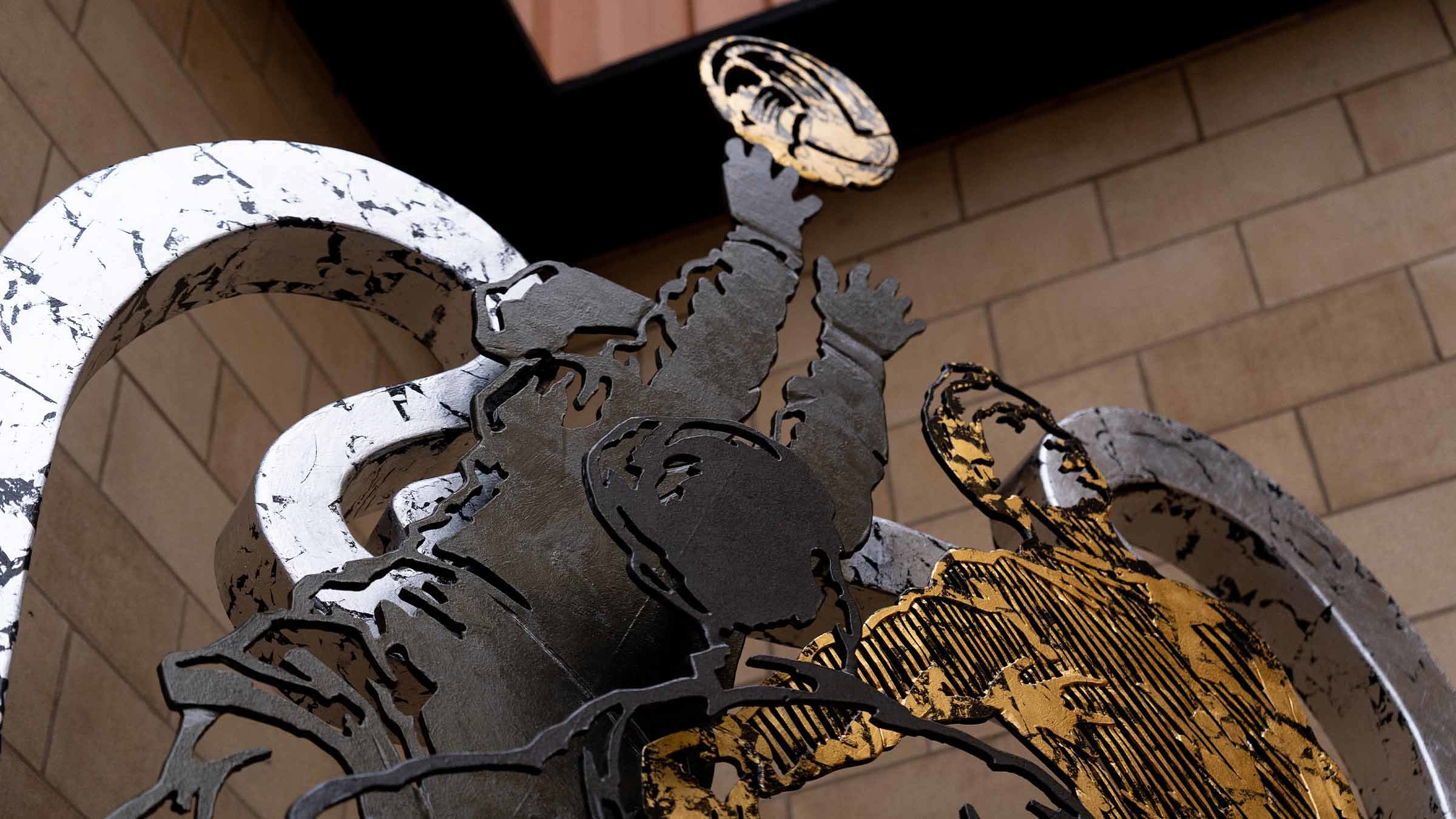
It was unveiled on Friday 13th December 2024, exactly 70 years after the famous fixture, where former players’ families and relatives attended an unveiling, with further celebrations taking place before Wolves’ home match against Ipswich Town the following day, while two special guests from Honved also attended.
The memorial provides a permanent reminder of a fixture that has become part of the mythology of Molineux and of Wolves’ place in the development of European football, and who knows, hopefully one day soon we will be back there once again.
Molineux has been witness to some of the greatest moments in Wolves past, and while the buildings around that rectangle of grass may continue to change in the future, the stadium’s history will live on forever.
Wolves historian Pete Crump’s weekly articles reflecting on a range of topics from the club’s proud past will be available throughout the 150th anniversary season on wolves.co.uk.


